Industry
Healthcare
Background
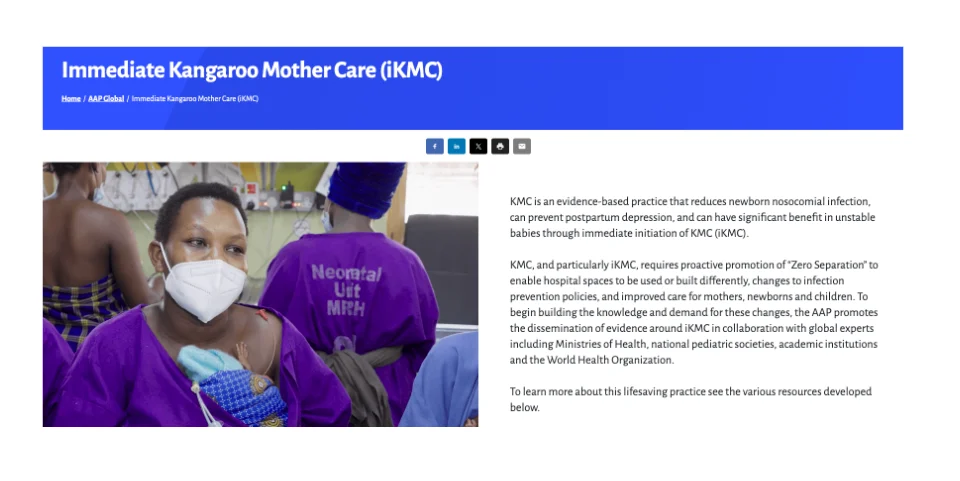
Immediate Kangaroo Family Care (iKFC) is a lifesaving intervention for preterm and low birth weight newborns, yet expert training remains hard to access. To close this gap, the Trusted Care Foundation, American Academy of Pediatrics, and Paediatric Association of Nigeria piloted a remote training model in Lagos, Nigeria: in March 2026, nine healthcare providers at two hospitals were coached by one remote expert using Meta Glasses.
Results
After a single session, average iKFC knowledge scores improved by 51% and provider confidence in performing iKFC rose 12%. Participants were highly satisfied, rating the Meta Glasses 4.7 out of 5 and the training overall 4.6 out of 5.
The glasses transformed distance into presence. I could see what the learner was seeing, guide them in real time, and coach almost as though I were standing beside them—without the cost and time of travel. For me, this opens exciting possibilities for expanding high-quality health-worker training, particularly in settings where expert trainers may not always be physically available.

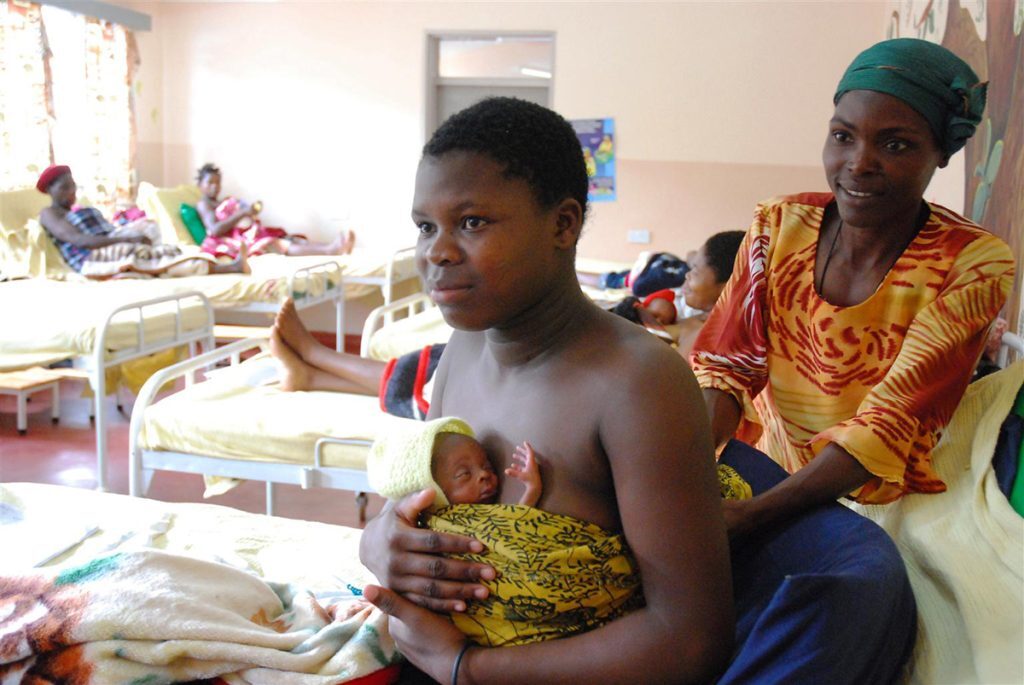
iKFC in Lagos, Nigeria
Nigeria bears one of the world's heaviest newborn health burdens, ranking second globally in neonatal deaths — with complications of preterm birth a leading cause. Immediate Kangaroo Family Care (iKFC), continuous skin-to-skin contact begun right after birth, is a proven, low-cost intervention that improves survival for preterm and low birth weight infants. But expert iKFC training is difficult to deliver consistently across sites — the gap this pilot in Lagos set out to close.
The Challenge
Immediate Kangaroo Family Care (iKFC) is a lifesaving intervention for newborns — particularly preterm and low birth weight infants. But delivering high-quality iKFC training consistently across hospital sites is difficult. Expert instruction depends on trainers being physically present, and travel, cost, and time constraints limit how many providers can be reached.
The question: could wearable glasses technology let an expert coach learners remotely — observing positioning and technique in real time and giving immediate feedback — without ever getting on a plane?
The Solution
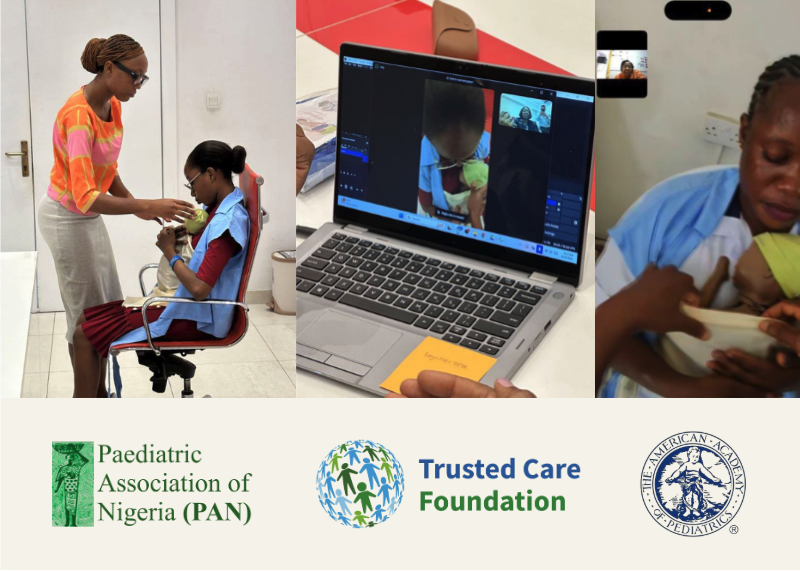
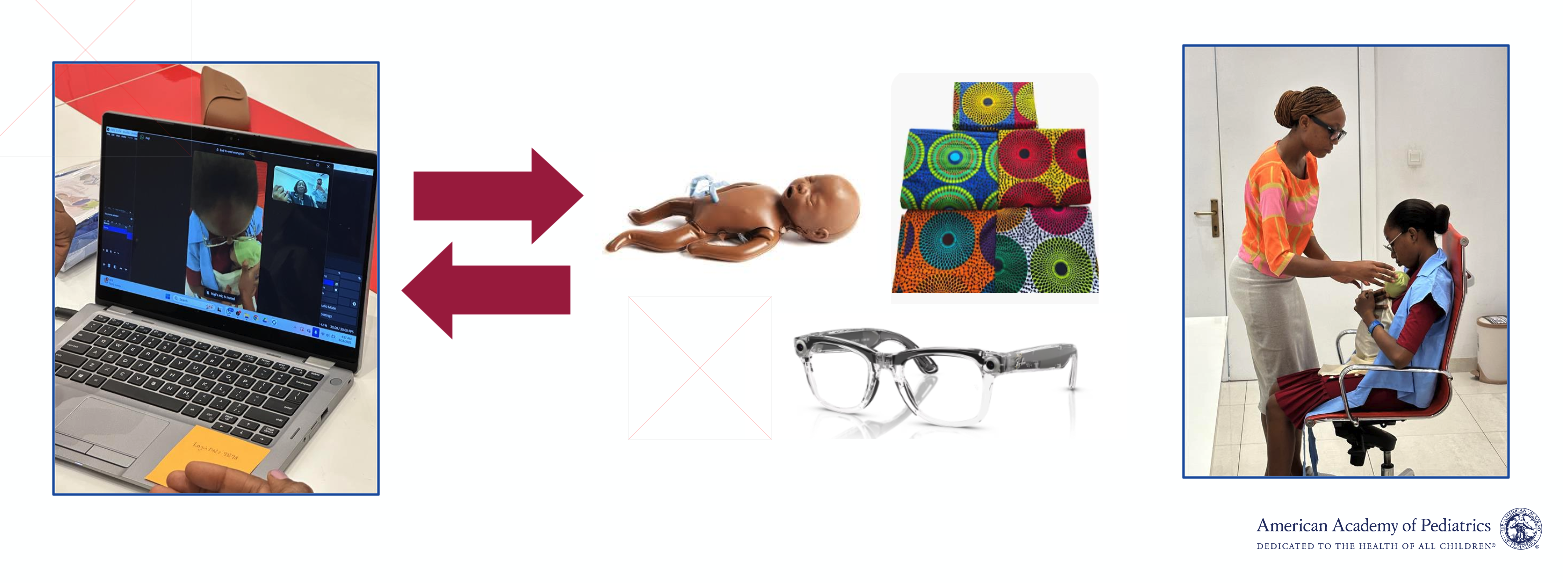
In partnership with the Paediatric Association of Nigeria, the team ran live remote coaching sessions at two Lagos hospitals. Learners practiced iKFC positioning on a newborn manikin with a caregiver role-player while Professor Ebun Adejuyigbe — Nigeria's in-country iKFC expert — coached them remotely through Meta Glasses.
The glasses gave the trainer a first-person view of each learner's hands and technique, enabling real-time observation, direct demonstration, and immediate correction. The Trusted Care Foundation provided technical expertise in the design and use of the Meta Glasses, along with funding for the pilot.
The Results
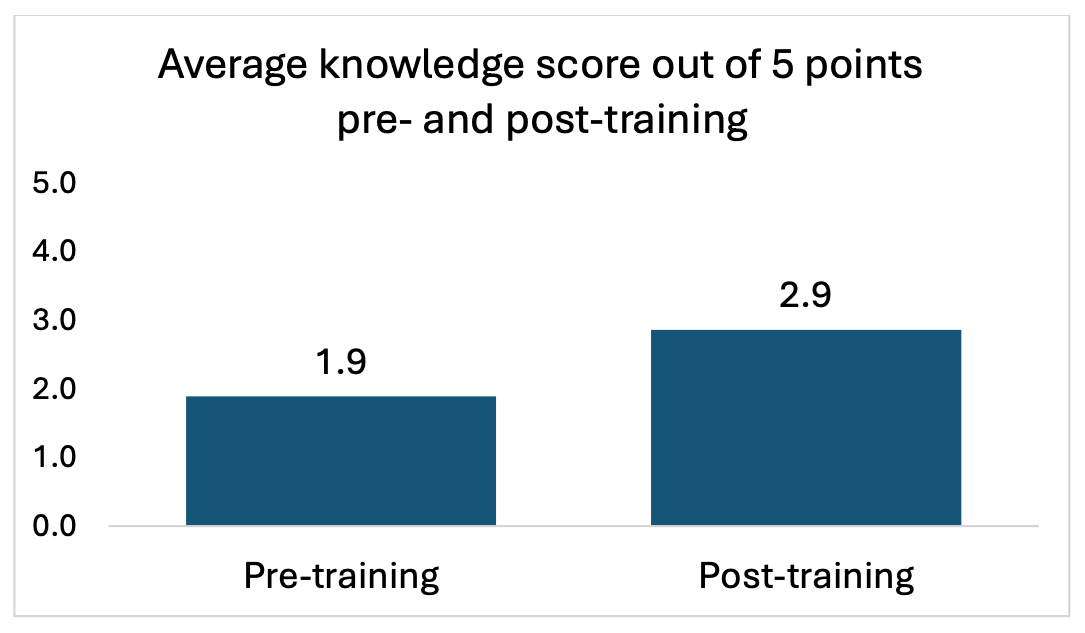
Knowledge gains were substantial. Average iKFC knowledge scores rose from 1.9 to 2.9 out of 5 — a 51% improvement after a brief, one-time session.
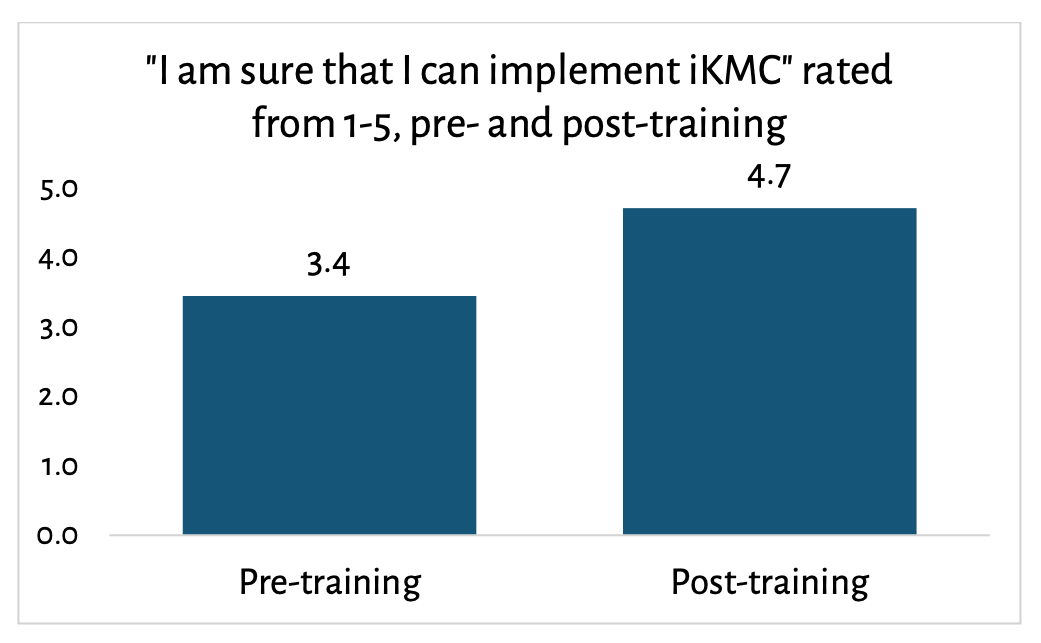
Confidence grew. Provider confidence rose 12% overall (4.06 to 4.55 out of 5), with the largest gain on the statement "I am sure that I can implement iKMC," which jumped from 3.4 to 4.7.
*iKMC stands for immediate Kangaroo Mother Care and is the same as iKFC
Feasibility ratings increased with experience. Participants began with strong feasibility perceptions (4.08 out of 5) that rose to 4.57 after hands-on training — the approach exceeded expectations once providers actually used it.
Satisfaction was high across the board. Participants rated the Meta Glasses 4.7 out of 5 and the overall training 4.6 out of 5. Every participant was new to wearable-technology training.
The lead trainer highlighted the model's cost-effectiveness and convenience, and planned to continue using the glasses, with another training scheduled within weeks of the pilot.
Results are from a small feasibility pilot without a control group; further research is underway to confirm the training model's contribution to provider knowledge, skills, and practice.
Lessons Learned & What's Next
The pilot surfaced practical lessons for scale-up: reliable internet connectivity is essential (steady at the private hospital, disrupted at the government site), devices must be charged and recording-ready before each session, and a brief learner orientation ensures the trainer has a clear point of view. Having learners narrate their actions aloud improved the trainer's ability to follow each session.
Next steps include larger cohorts, standardized connectivity and device-preparation protocols, supplemental demonstration videos, expansion to additional hospitals and provider cadres — and eventually, progression from manikins to real clinical settings.
For more information on iKFC: